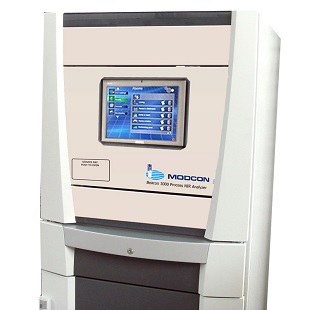


Are you interested in cutting-edge technologies revolutionizing control and automation processes? Look no further than process spectrometry!
Process spectrometry, also known as online spectroscopy, is a powerful analytical technique that offers numerous advantages in control and automation. By providing real-time analysis of chemical composition and physical properties of materials, it enables precise monitoring, optimization, and decision-making within various industrial processes. Let’s delve into some of its key advantages:
- Real-time Monitoring: Process spectrometry allows continuous, non-destructive analysis of materials as they flow through a production line. This real-time monitoring ensures immediate feedback, enabling timely adjustments and interventions. With accurate and up-to-date data at hand, operators can optimize processes, reduce waste, and improve overall product quality.
- Rapid Analysis: Traditional laboratory-based analytical methods often involve time-consuming sample collection, preparation, and transportation. Process spectrometry eliminates these delays by providing instant measurements, enabling faster decision-making and responsiveness. This speed translates into improved efficiency, increased throughput, and reduced downtime.
- Remote Operation: With the advancements in connectivity and automation, process spectrometry systems can be remotely controlled and monitored. This capability empowers operators to access critical data and make informed decisions from anywhere, facilitating remote process management and reducing the need for physical presence on-site.
- Multi-component Analysis: Process spectrometry techniques, such as infrared spectroscopy, Raman spectroscopy, and mass spectrometry, offer the ability to analyze multiple components simultaneously. This multi-component analysis is invaluable in complex industrial processes where various parameters need to be monitored concurrently. It simplifies data acquisition and reduces the number of sensors and equipment required, streamlining the overall control system.
- Enhanced Process Understanding: Process spectrometry provides deep insights into the underlying chemical and physical processes taking place. Capturing spectral data, it enables the identification and quantification of substances, tracking of reaction kinetics, and detection of impurities or anomalies. This enhanced process understanding helps optimize process conditions, troubleshoot issues, and maintain consistent product quality.
- Integration with Automation Systems: Process spectrometry can seamlessly integrate with existing control and automation systems, creating a cohesive framework for data collection, analysis, and process control. Leveraging automation technologies such as machine learning and artificial intelligence allows for advanced process modeling, predictive analytics, and adaptive control, leading to optimized performance and increased operational efficiency.
In summary, process spectrometry revolutionizes control and automation processes by providing real-time, rapid, and multi-component analysis. Its integration with automation systems and remote operation capabilities unlocks new avenues for optimization, efficiency, and quality control. Embracing this technology can empower industries across various sectors to stay competitive in today’s dynamic market landscape.